


-

Add: HeBei ShengShi HongBang Cellulose Technology CO.,LTD.
-

Email
13180486930@163.com -

CONTACT US
+86 13180486930

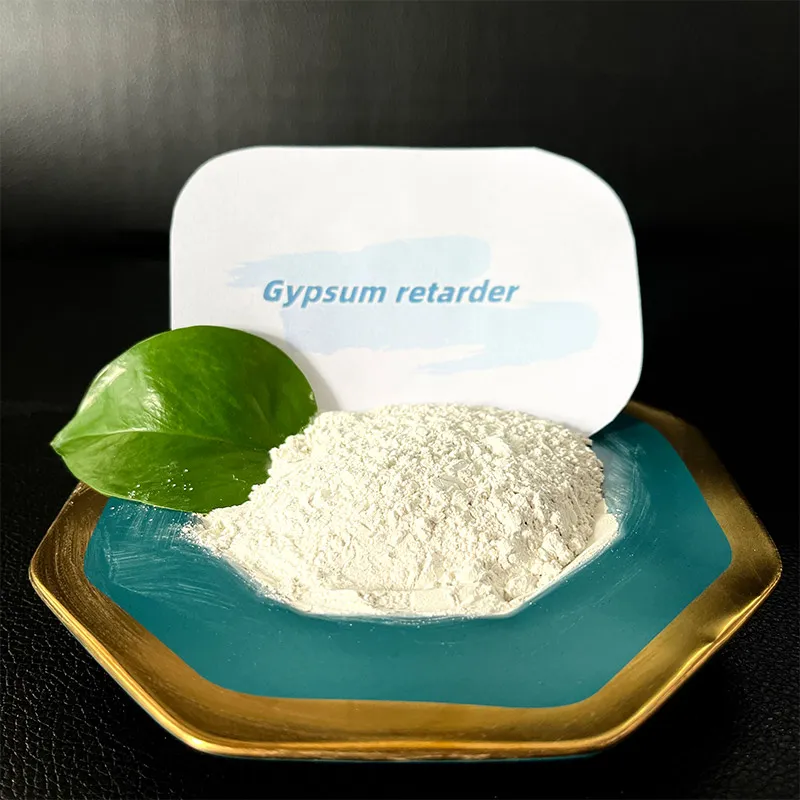


Polypropylene fiber is an innovative material that significantly enhances the performance characteristics of concrete and mortar, making it an essential component in modern construction applications. As a premier supplier, HeBei ShengShi HongBang delivers premium-grade polypropylene fibers that meet rigorous international standards for strength, durability, and performance optimization. Technical Specifications of Premium Polypropylene Fibers Parameter Standard Value Test Method Performance Benefit Fiber Length 3-20 mm ASTM D2130 Crack control optimization Diameter 18-45 microns ISO 1888 Optimal reinforcement distribution Tensile Strength 400-750 MPa ASTM D2101 Structural reinforcement Elastic Modulus 3.5-10 GPa ISO 527 Flexural strength enhancement Melting Point 160-170°C ASTM D7138 Heat resistance Density 0.91 g/cm³ ISO 1183 Ease of mixing Alkali Resistance >95% ASTM C1116 Concrete matrix longevity Dosage Rate 0.6-1.8 kg/m³ ACI 544 Plastic shrinkage reduction Industry Applications & Technical Advantages Concrete Reinforcement Our pp fiber products reduce crack formation by up to 85% while improving impact resistance by 150% (ACI Materials Journal). Mortar Enhancement Microfiber synthetic additives decrease permeability and improve freeze-thaw durability in mortar applications. Pavement Construction Integrating polypropylene fibre extends road lifespan by minimizing reflective cracking (Journal of Materials in Civil Engineering). Industrial Flooring Our fibers increase abrasion resistance and eliminate joint spacing limitations in warehouse slabs. Performance Analysis of Polypropylene Fibers Comparative strength development in fiber-reinforced concrete Surface durability under abrasion testing cycles (ASTM C944) Global market growth projections for synthetic fibers (2024-2030) Technical FAQ: Polypropylene Fiber Applications What fiber length provides optimal crack control? For most concrete applications, 12mm fibers demonstrate optimal performance with uniform dispersion and maximum crack-bridging capability according to RILEM technical recommendations. For spray applications, 6mm microfibers are preferred. How does aspect ratio affect reinforcement? Aspect ratio (length/diameter) directly influences bonding strength. We manufacture fibers with 200-500 ratios ideal for different mix designs. Higher ratios increase tensile strength but require careful mixing procedures. What polymer grade is suitable for aggressive environments? Our chemically-modified homopolymer fibers with pH stability from 1-13 withstand harsh chemical exposure exceeding 20 years according to ASTM C666 freeze-thaw certification. How does dosage affect compressive strength? Optimal dosages between 0.9-1.2kg/m³ increase compressive strength 15-20% as documented in ACI 544.3R reports. Higher dosages improve toughness but may slightly decrease workability. What surface treatments enhance bonding? Our proprietary hydrophilic coating improves fiber-matrix bond strength by 30% compared to untreated fibers (CTLGroup testing). This treatment also reduces mixing time. How do synthetic fibers compare to steel reinforcement? While steel provides primary reinforcement, polypropylene fiber offers secondary reinforcement with superior crack control, corrosion resistance, and freeze-thaw protection at 1/10 the material cost. What certifications does your production meet? Our manufacturing facility is ISO 9001:2015 certified with individual products meeting ASTM C1116, EN 14889-2, and JIS A6204 standards for consistent quality assurance. Industry Recognition & Technical Validation "Recent studies confirm that properly engineered polypropylene fibers can extend concrete service life by 40-60% by effectively controlling microcrack formation during critical curing stages." - International Journal of Concrete Structures and Materials Additional Technical References: "Performance Evaluation of Synthetic Fiber Reinforced Concrete" - American Concrete Institute ( www.concrete.org ) "Global Fiber Market Analysis 2023" - Fiber Cement Composite Research Council ( fibercomposites.org ) "Durability Enhancements through Microfibers" - Journal of Building Materials Science ( jbms.build ) "Comparative Analysis of Fiber Reinforcements" - Materials and Structures Journal ( matsstruct.springer.com ) "Advanced Production Techniques for PP Fibers" - International Fiber Association ( globalfibers.org ) Request Your Technical Sample Package Experience the ShengShi HongBang difference in our premium polypropylene fiber products engineered for superior performance. Contact Our Engineering Team Call: +86 13180486930 Email: 13180486930@163.com
- 40000tons

Production
- 20+years

Experience
- 5000+㎡

Acreage

-

In the rapidly evolving world of pharmaceutical and health supplement manufacturing, the demand for high-quality, reliable capsule encasements is growing exponentially. Among the top choices are Hydroxypropyl Methylcellulose (HPMC) capsules, renowned for their plant-based origin and compatibility with a diverse range of formulations. Choosing the right HPMC capsule supplier is crucial for maintaining product integrity, ensuring customer satisfaction, and staying ahead in an increasingly competitive market. One of the critical considerations when selecting an HPMC capsule supplier is the supplier's expertise and experience . Suppliers with extensive industry experience are more likely to provide consistent product quality, as they understand the nuances and complexities of HPMC production and distribution. These experts have honed their processes to deliver capsules that meet stringent industry standards, ensuring that the end products are safe and effective for consumer use. Furthermore, experienced suppliers often offer insights and advice on optimizing formulations, drawing on years of specialized knowledge to support product development and innovation. The professional relationships built over time with reputable HPMC capsule suppliers can significantly impact the product's efficacy and marketability. Trust in a supplier is rooted in their authoritative standing in the industry. Leading suppliers often hold certifications from recognized standards organizations, such as ISO or GMP, offering assurance that their production processes are compliant with international quality regulations. This authority ensures that any batch of capsules sourced will meet necessary pharmacopeia requirements, a non-negotiable aspect for any manufacturing entity aiming to sell internationally. In terms of product trustworthiness, choosing a supplier with a transparent supply chain process can further enhance a brand's reputation. Today’s consumers are increasingly informed and discerning, often seeking background details on the sourcing and manufacturing of products they consume. By partnering with a supplier that prioritizes transparency and ethical practices, companies can add an extra layer of assurance for their end consumers. This might include a full disclosure of the raw materials used, adherence to sustainable practices, or a commitment to cruelty-free testing methods. hpmc capsule supplier Moreover, innovation in the realm of HPMC capsules demands suppliers that are committed to continuous research and development. As newer formulations emerge, particularly in the nutraceutical industry, the need for specialized capsules that support delayed-release or targeted-release functionalities grows. Top-tier suppliers not only keep abreast of the latest scientific advancements but also actively contribute to shaping future trends. Their R&D teams work on creating capsule variations that enhance stability, taste-masking, and even bioavailability, thereby contributing to enhanced user experience and satisfaction. To judge a supplier's capability genuinely, a prospective client should examine case studies or testimonials from other companies in similar niches. Such information can highlight the supplier’s ability to handle unique challenges or large-scale production demands and can offer visibility into their customer service and after-sale support dynamics. Relationships built on successful collaborations often lead to long-term partnerships, benefiting from improved efficiencies and aligned business objectives. In summation, selecting an HPMC capsule supplier requires careful consideration of their experience, expertise, authoritative standing, and trustworthiness. By prioritizing these core attributes, businesses can ensure they are choosing a partner capable of delivering high-quality, reliable products that meet exacting industry and consumer standards. Through this partnership, companies can extend their market reach, enhance consumer trust, and foster continual growth in the competitive landscape of health and wellness products.
-

Acid-modified starch, an innovative alteration of native starch, has garnered attention for its unique properties and versatile applications in various industries. Derived from botanical sources such as corn, potato, or tapioca, the product undergoes controlled acidic treatment to modify the starch granules, enhancing its characteristics to meet specific industrial needs. This process involves reducing the molecular weight of the starch, thereby increasing solubility and altering its gelatinization and viscosity properties. One of the prime benefits of acid-modified starch is its role in the food industry, particularly in the manufacturing of confectionery products. Its ability to form clear, firm gels and to stabilize emulsions makes it indispensable in creating the perfect texture for gummy candies, jellies, and other gelatinous sweets. Unlike native starch, acid-modified starch doesn't break down under high temperatures, making it ideal for processes that require cooking or heating, without compromising the quality or appearance of the final product. Beyond confectionery, acid-modified starch plays a critical role in the paper industry . It acts as a surface sizing agent, enhancing the strength and printability of paper. This application not only improves the efficiency of ink usage but also contributes to the smoothness and gloss of the paper, which is essential for high-quality print jobs. Additionally, in the textile industry, its film-forming ability helps in improving the fabric's hand feel, adding weight and stiffening materials, which is crucial in specific apparel manufacturing processes. From an environmental perspective, the use of acid-modified starch as a biodegradable and renewable resource stands out, aligning with the global thrust towards sustainability. This positions the starch as a preferable alternative to petroleum-based products, particularly in packaging applications where reduction of environmental impact is highly prioritized. acid modified starch Experts within the chemical modification sector emphasize the significance of precision in the acid modification process. Achieving consistent product quality demands expertise in adjusting treatment parameters such as pH level, reaction time, and temperature. Leading manufacturers who specialize in starch modification employ rigorous quality control measures and leverage advanced technology to ensure the end product meets stringent industry standards, thereby establishing their authority and trustworthiness in the market. The science behind acid-modified starch also extends to its application in pharmaceuticals, where its improved solubility and disintegration properties enhance the bioavailability of active ingredients. This makes it an essential component in the formulation of tablets and capsules, contributing to more efficient drug delivery systems. Industry leaders and researchers continue to explore new frontiers for acid-modified starch, investigating its potential as a carrier for bioactive compounds or as an ingredient in 3D printing edible objects. These innovations underscore the evolving applications and growing importance of this functional ingredient in aligning industry trends with consumer demands. For companies considering the incorporation of acid-modified starch into their product lines, it's vital to collaborate with experienced suppliers who can provide not just high-quality starch but also insights and technical support tailored to specific applications. As the uses of acid-modified starch extend across industries, staying informed and engaging with knowledgeable experts will ensure businesses can harness its full potential effectively and sustainably.
advantages
-

200000 Viscosities
Excellent product
We can produce pure products up to 200,000 viscosities
-

40000 tons
High yield
We don’t stop production all year round, and the annual output can reach 40,000 tons
-

24 hours
Quality service
We provide 24-hours online reception service, welcome to consult at any time
———— Inquiry Form
Schedule A services



-
 fibras_de_madera_de_celulosa
Oct . 25, 2025
In recent years, polypropylene fiber for sale has gained significant traction as an essential additi -
 hydroxypropyl_starch_phosphate_supplier
Oct . 25, 2025
Hydroxypropyl methylcellulose, popularly branded as HPMC Methocel, is an indispensable additive in v -
 hydroxypropyl_methylcellulose_uses_in_cosmetics
Oct . 25, 2025
Exploring the Intricacies and Applications of HPMC Coating HPMC, or Hydroxypropyl Methylcellulose, c


